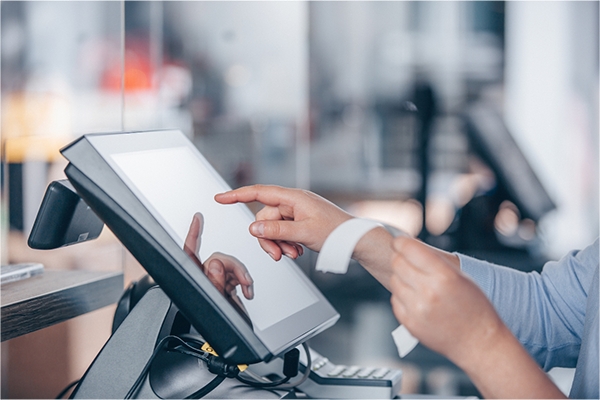
Ninety-five percent of restaurateurs agree that restaurant technology improves their business efficiency, according to Toast's Restaurant Success Report. Technologies from programmable ovens to point of sale (POS) systems utilizing AI analytics are transforming foodservice right before our eyes.
POS systems are riding a new wave of innovation from the increased use of contactless ordering, mobile payments and the growing partnerships between restaurants and food delivery companies like Uber Eats and Door Dash.
In fact, Uber Eats has approximately 81 million users and those customers can wreak havoc on a dinner service. According to a Grand View Research study on POS systems, “Integrating restaurant POS solutions with online food delivery service helps restaurant owners manage the restaurant floor plan, track inventory, automate account reports, update menu options, and manage staff and timesheets, streamlining the third-party delivery and the dine-in processes effectively.”
Teaching POS trends will help students learn and embrace the new advancements regularly appearing in workplaces all over the world. 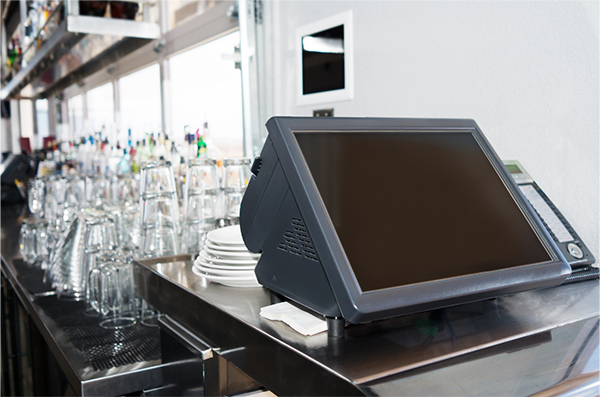
POS: The Restaurant Interface
Kendall College Chef Chris Quirk
The modern kitchen environment is a data-driven and technology-supported environment. The POS system sits at its core. Whether viewed through the lens of training the next generation of culinary professionals, delivering consistent and elevated guest experiences, or managing operations with precision and foresight, POS systems have proven their value many times over. For any kitchen serious about performing at a high level, investing in, embracing, and leveraging the POS is not just a smart move. It's the foundation of sustainable success.
In today's fast-paced foodservice industry, the difference between a smooth service and a chaotic one often comes down to the tools of which a kitchen relies. POS systems have evolved far beyond simple order printers. Even the most rudimentary systems offer sophisticated information gathering and dissemination capabilities. When integrated into kitchen operations, the technology becomes the center of communication that improves service delivery. It also functions as a data record system required by a chef/manager for optimal planning. For all culinary professionals — from chefs to culinary students — understanding and leveraging POS technology is no longer optional: it is essential.
One of the most impactful benefits of any POS system is the reduction of communication breakdowns between servers and kitchen staff. Before digital ticketing, handwritten orders were frequently misread, lost or delivered out of sequence. A modern POS system sends orders directly to kitchen display screens the moment a server enters them. They may be organized by course, table and timing. Modifications and allergen flags can appear prominently, reducing the risk of damaging errors.
This digital bridge between front and back of house doesn't just reduce mistakes — it accelerates the entire service rhythm. Cooks know exactly what is coming, in what order and when. With better systems, runners can receive automated alerts when dishes are ready. The result is a coordinated, efficient service that keeps guests satisfied and kitchen stress at a manageable level.
For culinary students first entering work environments, internships, or school-run dining operations (like The Cafeteria at Kendall College, for instance), POS systems offer an invaluable real-world training experience. Learning to operate a POS system builds familiarity with how professional kitchens actually function — a skill increasingly expected by employers before a graduate even sets foot in a commercial kitchen.
Exposure to POS platforms during culinary training helps students understand the full lifecycle of a dish: how an order is placed, how it enters the kitchen workflow, how modifications are flagged, and how timing is managed across multiple tables simultaneously. This big-picture awareness encourages students to think beyond their individual station and consider how their pace and output affect the entire operation.
For a student, offering hands-on experience with a simple system can de-mystify and de-stress a process that can look complex and threatening from the outside. It is amazing to see how, especially with the current generation of students, a POS system becomes a friend in the kitchen and a well-used tool in short order.
Perhaps the most underutilized power of POS systems lies in the data it generates. Every order placed, every item sold, and every modification requested is logged and available for analysis. This data becomes the backbone of smarter kitchen management. Gone are the days of, “I think that item is a good seller.” Now it is, “I know (and that the data to prove) it’s a good seller.”
Inventory tracking integrated into a POS system allows kitchen managers to monitor ingredient usage in real time. When stock for a given item runs low, alerts can be triggered, preventing the embarrassment of having to 86 a signature dish mid-service. In today’s menu/ordering environment, especially when using a digital menu, changes can be made to the menu in real time. Out of the scampi and subbing an oyster dish? No problem, done seamlessly and without embarrassment, miscommunication or any problem for the guest.
From a planning perspective, POS data reveals which menu items are performing well and which are not. Sales trends by time of day, day of week, or season allow chefs and operators to adjust purchasing quantities, prep volumes, and staffing levels accordingly. This kind of informed decision-making reduces food costs, controls labor expenses, and ultimately improves profitability.
Click here to read previous technology series articles: