
Guest Speaker: Building Your Professional Brand Helps Every Student
Tuesday, 30 July 2013 19:34
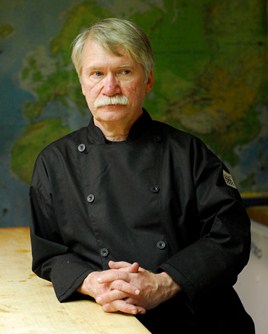 Simply preparing for your classes and delivering material is never sufficient. You have an obligation to yourself, your students and your institution to stay in touch with the industry you represent by building your personal, professional brand.
By Paul Sorgule, MS, AAC
As a culinary-arts faculty member, program director or dean, you are a lifelong portal for every student you come in contact with. The value of their education extends beyond the quality of the material that you offer or even the important degree that they might eventually receive. The real value of their education lies in the ongoing significance of their connections to you and to the reputation of your institution
Students’ value expectations today are, as they should be, far greater than in the past. The stakes are more significant as a result of the escalating cost of a degree and the tangible outcomes that will be apparent throughout their careers. Students should expect that you and your institution will remain a resource for them and that the perceptions that peers and employers have of your institution remain positive as they move through various stages of their careers.
To this end, it is imperative that you invest in building your brand. By this I am referring to how you continue to enhance your knowledge and skills, the industry connections that you make, and your visible prominence in the fields of culinary arts and education.
Throughout your time in culinary education and even beyond, investment in your brand development is also an investment in every student’s brand development. I like to refer to this as your “network of influence.” LinkedIn is really an attempt to help individuals build on the concept of “network of influence” by encouraging professionals to catalogue those persons who have or could have an impact on their careers—directly or indirectly. Every time you invest in building professional relationships with others, you open a potential door for yourself and those with whom you have a “portal relationship.”
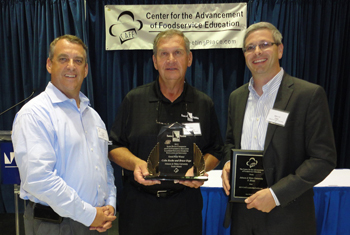 At the 9th-annual CAFÉ Leadership Conference, four educators earned recognition and professional development for unleashing creativity in the culinary classroom.
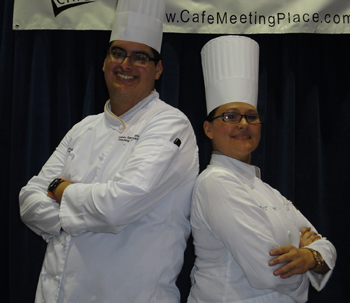 Two students’ winning dishes featuring Mexican avocado were enjoyed by attendees of CAFÉ’s 9th-annual Leadership Conference.
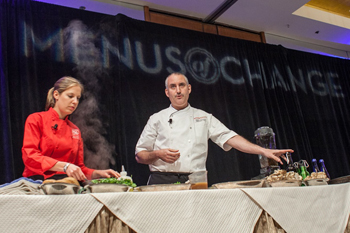 At the inaugural Menus of Change™ summit co-presented by the CIA in June, experts in foodservice, health science and social change presented information on topics relevant to what today’s health- and environmentally conscious consumers expect from corporations, foodservice operators and business leaders.
 Paladar Latin Kitchen & Rum Bar honors the diversity of South and Central America and the Caribbean by representing several regions on the menu, overseen by executive chef Joseph Tis. Although applications and flavors are authentic, the menu must have broad appeal. After all, just what does Latin food really mean?